.png)
Hey,
This week, two brands were inducted into the Marketing Hall of Shame.
Callaway Golf, a 40 year old multi billion dollar premier golf brand—and Good Good Golf, a YouTube channel, digital golf community, and apparel brand founded in 2020. Back in 2023, the two brands signed a multi-year co-branded partnership that’s benefitted them both.
Well, until last week, when they released a collaborative video ad on social to promote their new Quantum driver line.
The now-deleted ad depicts a woman—a professional golfer—reaching into a gold bag for a driver, when the man she’s with (who happens to be played by Good Good’s co-founder) sprints over and shoulder checks her to the ground, then stands over her threateningly, warning her through gritted teeth not to touch his new driver.
Every second of the ad was disturbing and ignorant. They claim the intent was to be funny, but as viewers, domestic abuse organizations, and women’s advocacy groups have pointed out, there’s nothing funny about this punchline.
It’s especially disgusting when you consider that there’s been a 45% rise in women and girls playing golf since 2020. What message is this supposed to send them? That they should take a joke and smile more? Haven’t heard that one before *eyeroll*
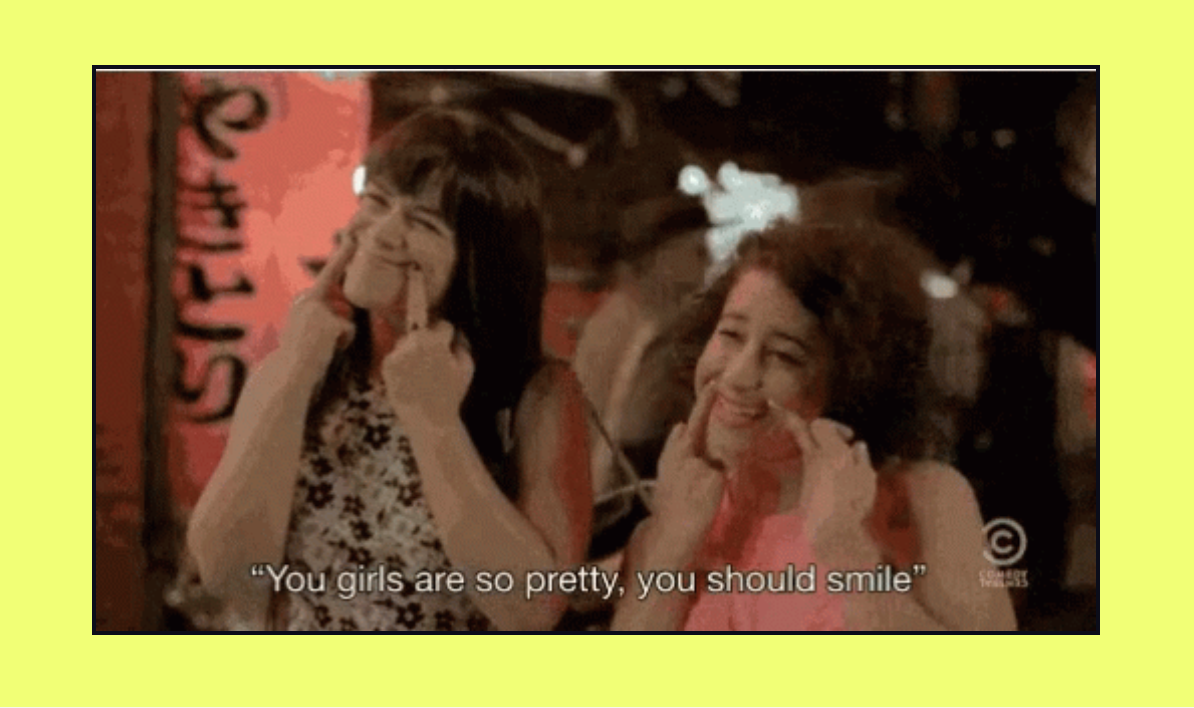
This kind of content doesn’t end up in a published ad without oversight. Ask anyone who has worked in social media anywhere. The review and approval process, especially on a co-branded asset, is signed off on at more levels of seniority than you can even imagine—by both brands.
I don’t buy that this fell through the cracks. I suspect that they wanted to cash in on the (garbage, lazy, stupid) trend of ragebait marketing.
This trend can be explained with Cunningham’s Law, which states that the best way to get the right answer on the internet isn’t to ask a question, but to post the wrong answer because it triggers a correction from someone else.
But it applies here too. Moral outrage is a correction that comes with a far higher comment count. Researchers at NYU found that posts framed as moral debates drive significantly more engagement than those that aren’t. And as we know, comments weigh heavily in content performance.
But when you’re a questionable marketer, the callouts and pile-ons are an incredibly effective engagement tool, and a particularly shiny one when you’re willing to throw all integrity out the window.
When you’re going 65 knots in the direction of a shitstorm just because you can, you’re probably not going to remember that the people engaging with ragebait aren’t neutral participants, they’re customers.
Because there aren’t enough brand apologies out there, both naturally threw their own onto the pile. Callaway positioned themselves as negligent bystanders, and included action items like a launched investigation, the “implementation” of a formal approval process, and a commitment to donate $1M to various domestic violence organizations. Their stock took a slight initial hit, but has since stabilized.
It’s also an example of how a legacy brand with unlimited corporate power and resources can control the narrative to insulate themselves, while subtly shifting the blame to the other party.
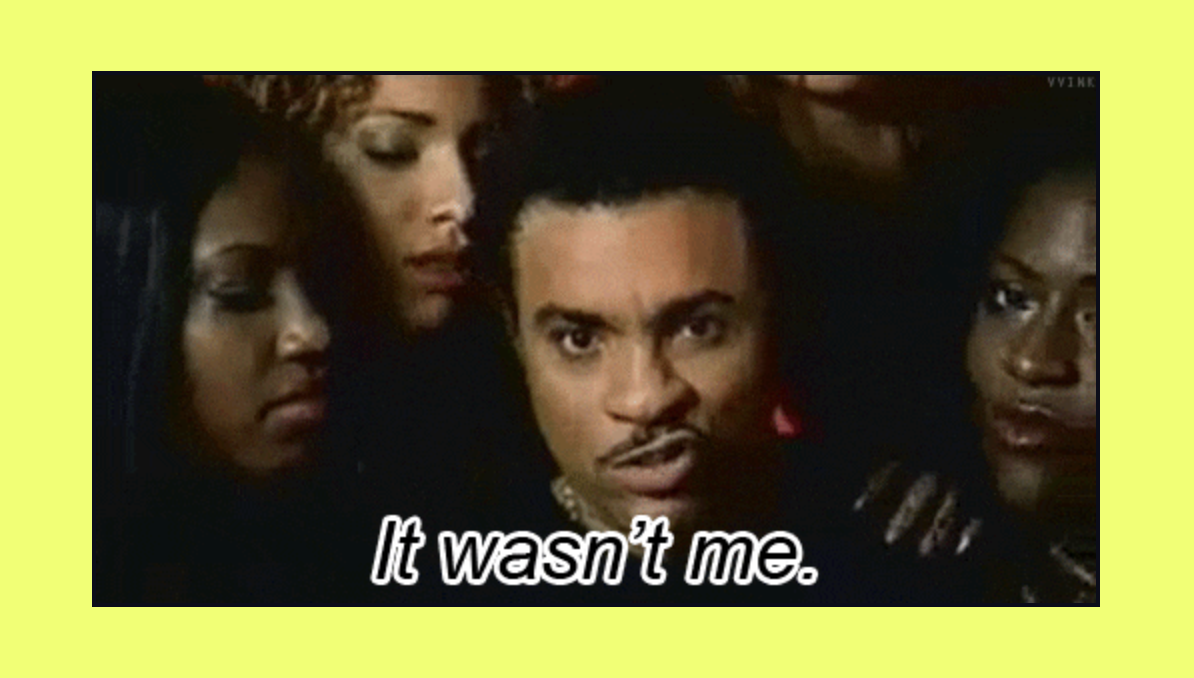
And it worked. Good Good has had a considerably worse week.
They’ve faced major consequences and many retailers have pulled their merchandise from shelves. On Thursday, they ended their PGA Tour partnership. And on Friday, Callaway formally severed their contract with them.
Given the state of his X account, Good Good’s CEO is not taking it well:
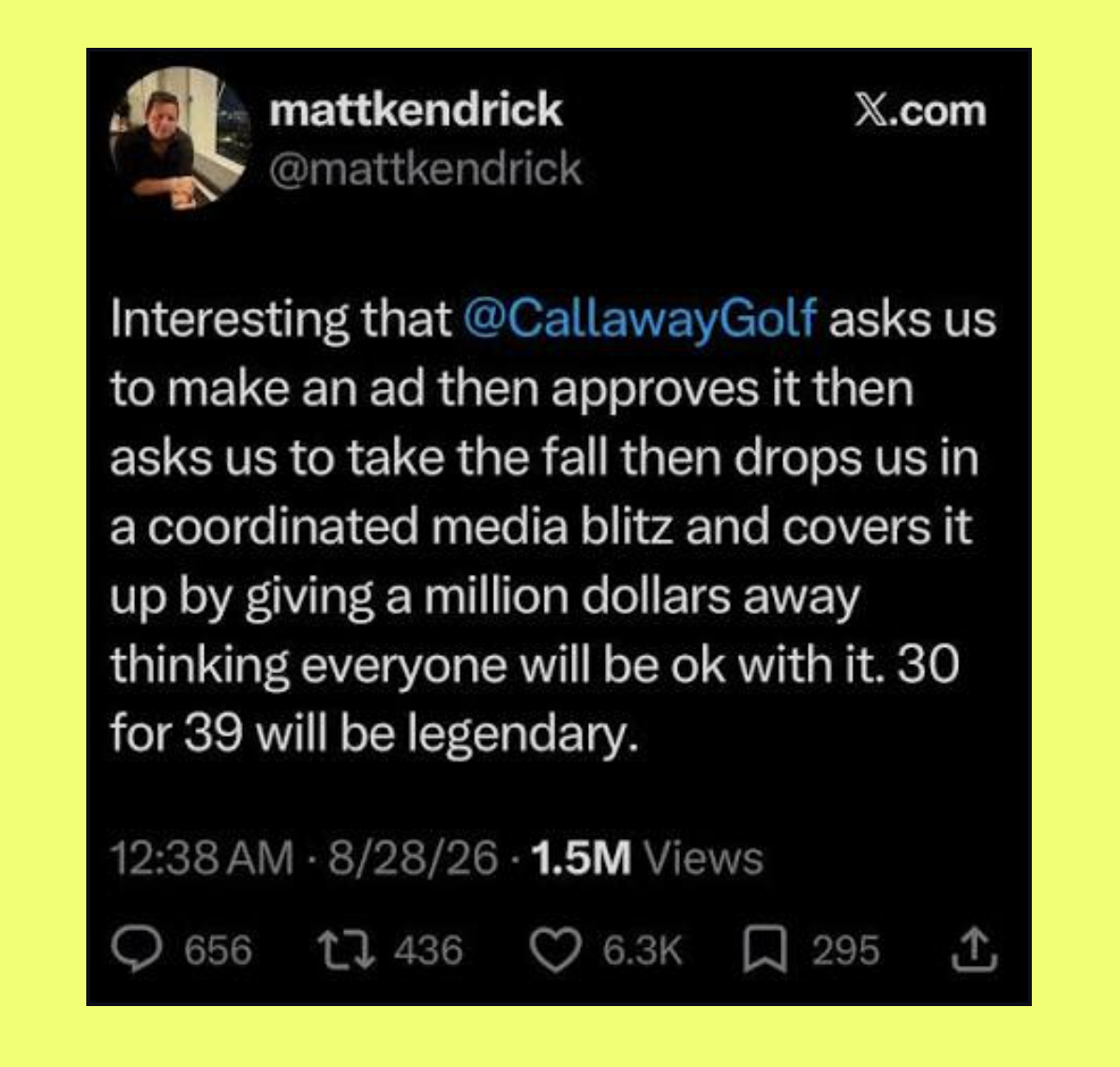
If what he’s claiming here is true, then it’s confirmation that Cunningham's Law is working at full throttle.
While there’s definitely something fishy (and deeply misogynistic) going on here, we don’t yet have receipts in front of us. And even if those manifest, I hope the sympathy well stays dry.
Both companies had a part to play in this ad’s release regardless of who might be trying to bury the other.
This should never have happened.
I worry we’re only at the beginning of the fallout, with more public meltdowns, legal battles, and consequences to come. The concern here is that it distracts from the very thing that caused harm in the first place, and pushes accountability far out of focus. Are they sorry, or do they just want to look less guilty? Guess we’ll find out!
The thing Cunningham’s Law proves here is that brands that make the choice to manufacture rage for the hell of it prove to their customers and audiences that they can’t be trusted.
And once you lose that trust, it’s one hell of a struggle to earn back, if you even can.
If you’re a marketer sitting in the room when an idea like this is approved, listen to that pang of discomfort in your gut because that’s information you can document.
Remember that you can say no. In fact, that’s part of the job.
Until next time,
Ines
If you or someone you know is a victim of domestic violence, you can seek help and resources here for Canadians, and here for Americans. You are not alone.
If you found this useful, please be a helpful work friend and send it to a colleague, or share it on Slack. Did a friend forward this newsletter to you? You can subscribe here.
Expert-led workshops on copywriting, SEO and everything in-between. Hands-on seminars to build a career you love. Skills and templates you can put to work right away while connecting with excellent humans. Oh, and sometimes we make scones.