%20%20(24).png)
Hey,
Let’s throw it back to the last time the vibes felt good: summer 2024.
It was Brat Summer—we were dancing hard, Biden had just dropped out of the presidential race, and Kamala Harris was building real momentum. Hope was in the air.
Then November 5th happened, and it was like someone pulled the plug on the DJ. Now we’re… witnessing the fall of man, I guess?
But before that moment, Kamala’s campaign tried something different. She took a risk — she leaned into marketing aimed at young voters (we talked about it back then too). It was a real departure from how presidential campaigns typically marketed themselves, and she seemed to be working.
Historically, running for office has been a paid-media game. More money = more ads (and attack ads), more control over messaging, and broadcast dominance on traditional channels.
It’s always been tricky to inspire youth to participate in elections. Early data showed that just ~47% of 18–29 year olds cast ballots in 2024. This is high compared to historical youth participation, but still well below older age groups.
We know young people are online. So Kamala leaned into digital, pouring efforts into TikTok and meme-friendly content.
So what happened?
Here’s what the data says:
Put together: Kamala got visibility, but not resonance. Her content didn’t connect deeply enough on the issues that mattered most.
It was giving traditional political marketing in digital packaging.
Now meet someone who actually understands the assignment: NYC Democratic mayoral candidate Zohran Mamdani.
By the June 2025 Democratic Primary, Mamdani's opponent, politician and attorney Andrew Cuomo, had amassed $16M in independent support. Mamdani had raised only about $1M.
Yet Mamdani won. Actually, he whooped Cuomo’s ass.
A big reason for this can be found in his issue-first earned media strategy.
Where Kamala asked, “How can we make this meme relevant?” Mamdani asks, “How can we make this issue into a meme?” He starts with affordability, housing, and public transit—not trends. The content works because it’s rooted in lived concerns.
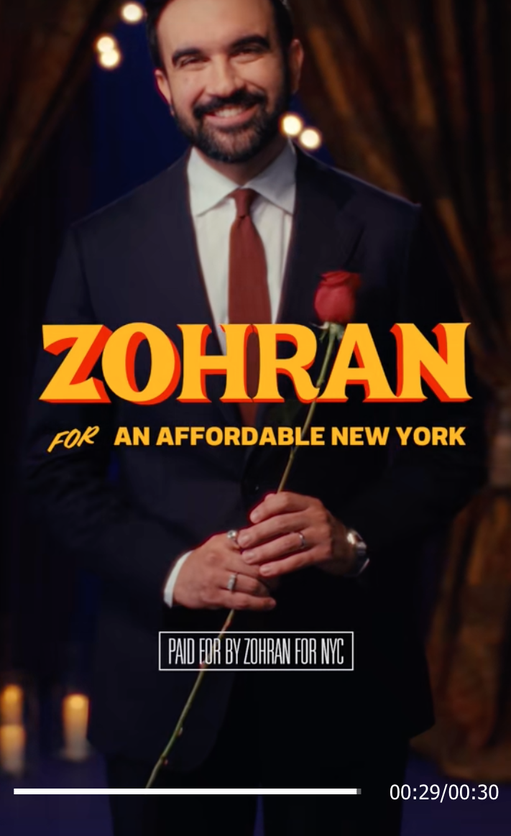
He bridges relatability and seriousness by being deeply local. He isn’t just shaking hands and holding babies. His boots are on the ground at tenant board meetings, working with community orgs, and canvassing door to door. He listens with genuine interest.
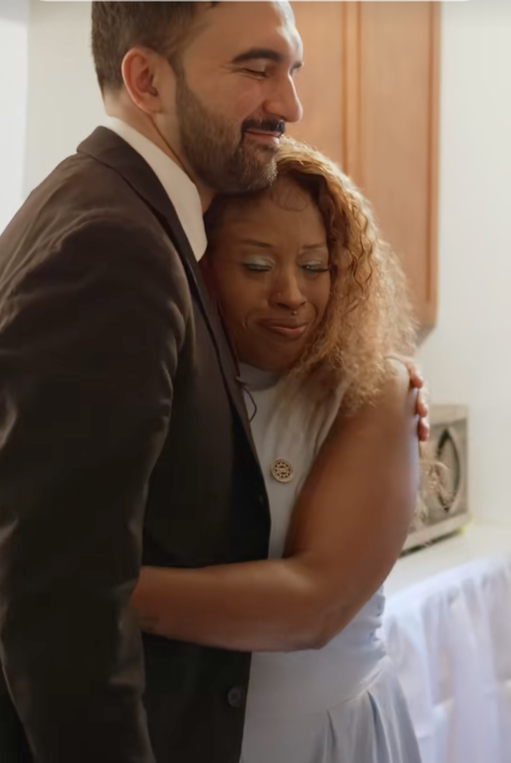
Mamdani doesn’t need the big budget—his strategy is built on empathy and clarity. He earns reach by entering conversations people already care about, and creating content that people want to share.
The takeaway for us marketers? Say something people actually care about, and they'll gladly hand you the megaphone.
But remember this: Mamdani’s playbook thrives in NYC’s hyperlocal context. Scaling it to a brand will require adaptation. What doesn’t change is the issue-first messaging grounded in empathy.
Until next time,
Ines
If you found this useful, please be a helpful work friend and send it to a colleague, or share it on Slack. Did a friend forward this newsletter to you? You can subscribe here.
Expert-led workshops on copywriting, SEO and everything in-between. Hands-on seminars to build a career you love. Skills and templates you can put to work right away while connecting with excellent humans. Oh, and sometimes we make scones.